M&A Advisory for the Trades

Serving the business owners who help build America.

An M&A advisory firm focused exclusively on residential and commercial service businesses. We help owners sell, acquirers buy, and operators figure out what their company is worth — through sell-side and buy-side advisory, valuation, and strategic consulting.
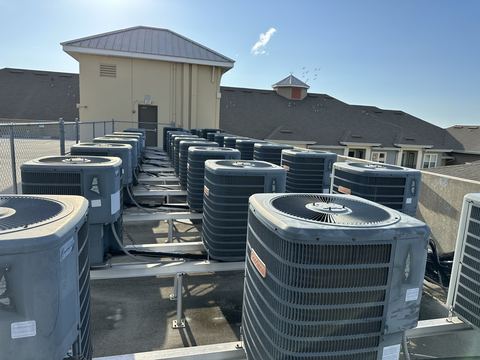
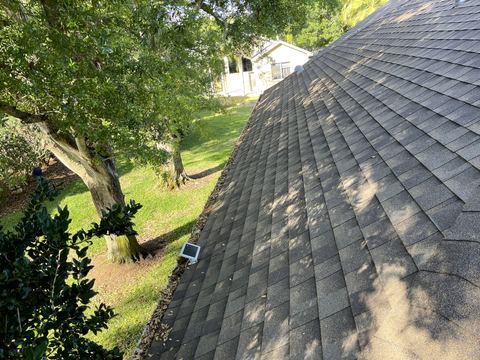
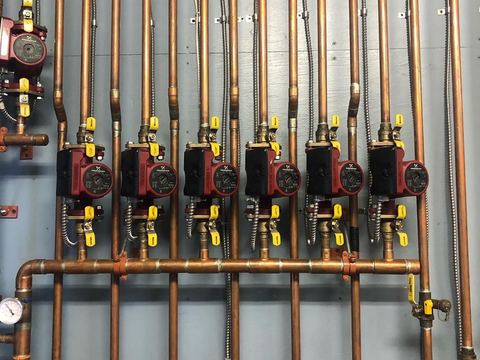
Industries We Focus On
HVACPlumbingElectricalRoofingWindows & DoorsExterior
…and other residential & commercial service verticals
100%
Focus on the Trades
$5M$100M
Typical Company Size (Rev.)
$4B+
In M&A Deals Closed
What We Do

Three buckets our work falls into.

Most of our work falls into one of three categories. Each is built around the operational realities of running, buying, or selling a service business in the trades — not generic M&A frameworks repurposed from other industries.

— 01

Sell-Side Advisory

Helping owners prepare for, run, and close a sale process. We start with what you're trying to accomplish — for the business, for your team, and for what comes next for you — and work backward from there.

Learn More
— 02

Buy-Side Advisory

Helping buyers evaluate, structure, and close on the right acquisition — strategic acquirers building platforms, sponsor-backed groups executing bolt-ons, and independent operators making their first acquisition.

Learn More
— 03

Valuation & Strategic Consulting

Independent valuations, quality of earnings preparation, and ongoing advisory for operators focused on long-term value creation — well before any transaction is on the horizon.

Learn More
From the Site

Recent reading & what we're sharing.

Analysis, commentary, and explainers on M&A across the trades — plus what we're posting across X, LinkedIn, and YouTube. Browse everything →

Latest from the Insights Hub
M&A NewsMay 15, 2026

MSouth is taking USA Hometown Experts to market

The PE-backed residential HVAC platform launched a sale process in late April. At reported $30M+ of EBITDA after just four years of roll-up activity, the question for buyers will be the quality of the assets.

For SellersMay 15, 2026

When PE offers 7× for your HVAC company, that's not all cash at close

A 7× offer typically lands as ~50–60% cash at close, ~20–30% rolled equity, and ~10–20% earn-out. The structure matters at least as much as the headline multiple.

M&A AnalysisMay 14, 2026

A 15% shift in revenue mix created a $60 million valuation gap

Two HVAC companies, both at ~$15M EBITDA. One sold for 16x. The other for 12x. The only meaningful difference: construction exposure.

From the FieldMay 6, 2026

Residential HVAC M&A comps: $1M to $100M+ EBITDA

A snapshot of where 2026 residential HVAC transactions are clearing across the EBITDA size spectrum — from sub-scale at 7× to the largest platforms at 18.5×.

M&A NewsMay 4, 2026

Redwood Services acquires the Sierra Platform from SE Capital

The deal brings five regional residential service brands across Las Vegas, Denver, Tucson, and Boise under the Redwood umbrella — and it's the latest example of PE-backed platforms acquiring other PE-backed platforms.

From the FieldApr 29, 2026

9.5× for a $1M EBITDA plumbing company

Real-time intel from the seller-side of the market: PE interest in pure-play residential service is as competitive as it's been in years.

View All Insights

Got a question? Let's talk.

Most of our best client relationships started with a casual conversation years before any deal was on the horizon. No pitch — just an honest discussion about where you are, what your options look like, and what we're seeing in your part of the market.

— 01 / Sell-Side

Sell-Side Advisory

"The most important transaction of your life shouldn't be the first time you've thought about it."

Selling the business you've spent decades building is typically a once-in-a-lifetime event. The buyer on the other side of the table has done it dozens of times. Our job is to level that playing field — running a disciplined, competitive process that protects what you've built and gets you to the right outcome on the right terms.

The best sell-side engagements often start 12 to 36 months before a transaction — early enough to actually move the needle on enterprise value, not just package what already exists.

  • i.Pre-Marketing & PositioningBuilding the narrative buyers actually respond to — grounded in unit economics, recurring revenue, and the operational metrics that drive premium multiples in the trades.
  • ii.Buyer Universe & OutreachStrategic acquirers, financial sponsors, family offices, search funds, and PE platforms — curated, qualified, and approached with discretion.
  • iii.Process ManagementWe run the timeline, manage diligence requests, and negotiate every material term — so you can keep running the business that everyone is buying.
  • iv.Negotiation & CloseFrom LOI through definitive agreement, advocating for terms that protect your sale price, your employees, and your post-close transition.
— 02 / Buy-Side

Buy-Side Advisory

"The difference between a good deal and a great one usually shows up after you own it."

For buyers in the trades — strategic acquirers building platforms, private equity sponsors executing roll-ups, or independent operators working on their first acquisition — getting an acquisition right takes more than a financial model. It takes operational judgment, industry pattern-matching, and a clear-eyed view of what the business will actually look like once integrated.

Good buy-side advisory means showing you what the asset actually is, what the integration will demand, and what's reasonable to pay for it. We bring the same operator perspective to the buy side as the sell side — close diligence on the business itself (technician retention, dispatch density, recurring revenue mix, the operating systems that actually run the company) and a clear-eyed view of where the value compounds after close.

  • i.Platform & Bolt-On StrategyFrom platform thesis to a multi-year bolt-on cadence — built around the operational realities of integration, not just the model.
  • ii.Commercial DiligenceCustomer concentration, service mix, technician productivity, route density — the operational metrics that separate a good deal from a great one.
  • iii.Deal ExecutionFrom LOI through close, project-managing diligence streams, coordinating with legal and tax advisors, and negotiating definitive terms.
— 03 / Valuation & Consulting

Valuation & Strategic Consulting

"The biggest moves in value creation happen years before any sale."

Most of the value in a service business gets built well before any transaction — through smarter growth decisions, sharper capital allocation, and the operational moves that compound over time. The work in this bucket is about understanding what your business is worth today, and what the right moves are to make it worth meaningfully more tomorrow.

Some operators engage us specifically to get a clear-eyed view of value before they make any decisions about transacting. Others bring us in on a retainer basis for ongoing strategic input on growth, M&A, capital structure, owner transition planning, or just as a sounding board they can call when something material comes up. Both look different on paper. Both come back to the same question: how do we build this business into something more valuable over time?

  • i.Indication of ValueA defensible, market-grounded valuation range — the foundation for any meaningful decision about whether, when, and how to transact.
  • ii.Earnings Normalization & Add-Back ReviewA close look at owner compensation, personal expenses, one-time costs, and working capital — the adjustments that turn book EBITDA into a defensible picture of what the business actually earns. Useful well before a formal Quality of Earnings is commissioned, or anytime you simply need a clearer view of normalized profitability.
  • iii.Value Creation RoadmapWhere the business is today, where it could be in 24 months, and the specific operational, financial, and strategic moves that close the gap.
  • iv.Ongoing Strategic AdvisoryRetainer relationships covering growth and M&A strategy, capital structure, owner transition planning, and the long arc of building an enduring business.

Not sure where you fit? Let's figure it out.

Most first conversations don't lead to an immediate engagement — and that's exactly how it should be. Tell us where you are, and we'll be honest about whether we can help.

Schryver & Co. Insights

Research, commentary, & analysis on M&A in the trades.

News, analysis, and commentary on what's happening across residential and commercial service M&A — written for the people actually running these businesses.

Follow Along

  • 𝕏
    𝕏 (Twitter)
    @Will_Schryver · Active
  • in
    LinkedIn
    Schryver & Co. · Long-form posts
  • YouTube
    Coming soon
  • @
    Email Updates
    Periodic updates · Free

Recent Insights

MSouth is taking USA Hometown Experts to market
M&A NewsMay 15, 2026

MSouth is taking USA Hometown Experts to market

The PE-backed residential HVAC platform launched a sale process in late April. At reported $30M+ of EBITDA after just four years of roll-up activity, the question for buyers will be the quality of the assets.

For SellersMay 15, 2026

When PE offers 7× for your HVAC company, that's not all cash at close

A 7× offer typically lands as ~50–60% cash at close, ~20–30% rolled equity, and ~10–20% earn-out. The structure matters at least as much as the headline multiple.

M&A AnalysisMay 14, 2026

A 15% shift in revenue mix created a $60 million valuation gap

Two HVAC companies, both at ~$15M EBITDA. One sold for 16x. The other for 12x. The only meaningful difference: construction exposure.

From the FieldMay 6, 2026

Residential HVAC M&A comps: $1M to $100M+ EBITDA

A snapshot of where 2026 residential HVAC transactions are clearing across the EBITDA size spectrum — from sub-scale at 7× to the largest platforms at 18.5×.

Redwood Services acquires the Sierra Platform from SE Capital
M&A NewsMay 4, 2026

Redwood Services acquires the Sierra Platform from SE Capital

The deal brings five regional residential service brands across Las Vegas, Denver, Tucson, and Boise under the Redwood umbrella — and it's the latest example of PE-backed platforms acquiring other PE-backed platforms.

From the FieldApr 29, 2026

9.5× for a $1M EBITDA plumbing company

Real-time intel from the seller-side of the market: PE interest in pure-play residential service is as competitive as it's been in years.

For SellersApr 14, 2026

If you're selling a residential service business, make sure it's actually residential

PE heavily discounts the value of residential businesses with even modest commercial exposure — and walks away entirely above 20%. Here's why, and what to do about it.

For SellersApr 11, 2026

10 brutal truths about selling your HVAC, plumbing, or electrical company

The good, the bad, and the ugly of selling to private equity or strategics — from the front-line view of running these processes.

Bed Bath & Beyond is getting into home services
CommentaryApr 8, 2026

Bed Bath & Beyond is getting into home services

Following its F9 Brands acquisition, BBBY has formally established 'Beyond Home Services' as a strategic pillar — and the SEC filing language hints at much bigger ambitions in the trades.

M&A AnalysisApr 4, 2026

There are three M&A playbooks in HVAC. All three are working.

PE, independent sponsors, and operators are all making money buying and building in HVAC — at radically different scales, with radically different strategies.

Private equity raised $86 billion in Q1 — its slowest start in a decade
Industry DataApr 3, 2026

Private equity raised $86 billion in Q1 — its slowest start in a decade

Global PE fundraising hit just $86B in Q1 2026. The industry is on pace for its weakest fundraising year in ten. One bright spot: the largest names still clear capital with no trouble.

Blackstone is in. Goldman is in. ARS is next.
M&A AnalysisMar 30, 2026

Blackstone is in. Goldman is in. ARS is next.

Three of the largest residential HVAC transactions in the past year — at ascending EBITDA scale, all into the hands of large-cap private equity.

The PE playbook for MEP roll-ups is changing
M&A AnalysisMar 28, 2026

The PE playbook for MEP roll-ups is changing

Public-market MEP specialty contractors are trading at a 5-year high, driven largely by data center exposure. For PE shops running MEP platforms, that changes the math on how — and where — they exit.

Here's why ARS might not get to $3.5 billion
M&A AnalysisMar 25, 2026

Here's why ARS might not get to $3.5 billion

American Residential Services is exploring a sale at a reported $3.5B EV. A closer look at process timing, growth assumptions, and channel mix suggests the headline is the bull case.

HVAC shipments fell 29% in January
Industry DataMar 16, 2026

HVAC shipments fell 29% in January

January AHRI data show combined A/C and heat pump shipments down 29% YoY — the eighth consecutive month of 20%+ declines. The headline is real, but the comparison base is the story.

Chick-fil-A is getting into home services
CommentaryMar 2, 2026

Chick-fil-A is getting into home services

Through subsidiary Red Wagon Ventures, the chicken giant just launched Acrew Home Professionals out of Atlanta. Two weeks after Blackstone paid 18.5x for Champions, the strategic interest just got considerably more interesting.

Blackstone is acquiring Champions Group for $2.5 billion
M&A NewsFeb 17, 2026

Blackstone is acquiring Champions Group for $2.5 billion

The largest residential service M&A deal of the year — and a signal of where institutional capital is taking the sector next.

Home · Insights · M&A News
M&A News 3 min read

Blackstone is acquiring Champions Group for $2.5 billion.

The largest residential service M&A deal of the year — and a signal of where institutional capital is taking the sector next.

Champions Group portfolio of residential service brands
Acquirer
Blackstone

Blackstone has agreed to acquire Champions Group — a residential HVAC, plumbing, and electrical services platform — for approximately $2.5 billion. Champions was previously owned by Odyssey Investment Partners, which is rolling over a significant minority interest alongside management.

$2.5B
Transaction Value
18.5x+
EV / EBITDA Multiple
$130M+
Adjusted EBITDA

A vote of confidence in home services

Blackstone isn't just giving home services another nod — they're doing it in a big way. The largest pool of private capital in the world has now planted a flag in the residential trades, at a transaction multiple that places the sector firmly in the conversation with every other premium asset class.

18.5x sets the bar

The headline multiple is what's going to anchor every valuation conversation in residential service for the next 18 months. PE-backed platforms across HVAC, plumbing, and electrical now have a clear marker for where institutional capital will pay. The thesis the first wave of platform sponsors built their roll-ups on isn't just intact — it's been validated at the largest possible scale.

Ripple effects all the way down

Here's the math that matters for operators of every size: if the platforms keep trading in the 17x–18x range, they can justify "leaning in" at high single digits for add-on acquisitions and still hit their return targets at exit. That multiple-arbitrage spread is the engine that fuels the entire roll-up cycle.

Translation: every owner of a $1M–$10M EBITDA residential service business in the country just saw their potential outcome get more reliable, not less. The platforms need add-ons to keep growing, and now they have the multiple cover to be aggressive about it.

What comes next

Champions today covers HVAC, plumbing, and electrical. That's three categories in a much larger home services universe — and if Blackstone's playbook follows what we've seen from them elsewhere, they're not stopping there.

The logical next moves: roofing, exterior services, windows, water treatment, garage doors, pest, lawn — verticals with meaningful PE activity already but no clear all-trades consolidator at scale. Champions could become the platform that puts all of residential home service under one roof.

If that's the play, a $2.5B transaction starts to look small in hindsight.

Thinking about what this means for your business?

We work with operators across residential HVAC, plumbing, electrical, and adjacent service categories. No pitch — just an honest conversation about where you are.

Continue Reading

M&A Analysis

Here's why ARS might not get to $3.5 billion

M&A News

Redwood Services acquires the Sierra Platform from SE Capital

Home · Insights · Commentary
Commentary 3 min read

Chick-fil-A is getting into home services.

Through subsidiary Red Wagon Ventures, the chicken giant just launched Acrew Home Professionals out of Atlanta. Two weeks after Blackstone paid 18.5x for Champions Group, the strategic interest in residential service just got considerably more interesting.

Acrew Home Professionals team running out of a service van
Parent
Chick-fil-A

Forget the AI bubble for a minute. Is there a bubble forming in residential home services?

Two weeks ago, Blackstone announced a $2.5 billion acquisition of Champions Group at ~18.5x EBITDA — the largest residential service M&A transaction of the year. Last week, Chick-fil-A quietly launched a home services business through its venture arm.

Two data points isn't a trend. But the second data point being Chick-fil-A is hard to brush off.

What's actually happening.

The new business is Acrew Home Professionals, created through Red Wagon Ventures — Chick-fil-A's investment subsidiary. It launched in Atlanta with a service menu that runs from minor home repairs to HVAC installation.

The branding tells you something. The vans, the uniforms, the visual identity — none of it looks like the trades. It looks like a Chick-fil-A.

This is bigger than it looks.

Chick-fil-A doesn't dabble. When they enter something new, it's the product of a deliberate operational thesis — not a venture flier. What they're transferring into home services is what they've spent four decades perfecting in quick-service restaurants: front-line operational discipline, consistent training, and a culture where the customer interaction is treated as the product itself, not a byproduct.

If they get even partway to recreating that in residential service, the bar for "good service" in the trades just moved materially higher. Every competitor in every metro Acrew enters is going to feel it eventually.

For PE-backed platforms, that's a different kind of competitor than another roll-up. No five-year exit clock. No financial sponsor margin pressure. A balance sheet that can absorb sustained losses while building service density. And — most importantly — an operating playbook for service consistency the residential trades have never quite figured out.

The right question for platform investors isn't "will this affect me right away." It's "how do I compete against an operator whose primary KPI is customer experience rather than EBITDA?"

The "my pleasure" question.

The technicians on the Acrew trucks are presumably going to be trained to leave every homeowner with the same "my pleasure" Chick-fil-A staff have been using at the drive-through since the 1990s.

If even half of that operational culture survives the transplant into HVAC installation and plumbing repairs, residential home service is about to get a lot more interesting.

Watching how non-traditional capital is entering the trades?

We work with operators across residential HVAC, plumbing, electrical, and adjacent service categories. No pitch — just an honest conversation about where you are and what the market is telling you.

Continue Reading

Commentary

Bed Bath & Beyond is getting into home services

M&A Analysis

There are three M&A playbooks in HVAC. All three are working.

Home · Insights · Industry Data
Industry Data 2 min read

HVAC shipments fell 29% in January.

January AHRI data show combined A/C and heat pump shipments down 29% year-over-year — the eighth consecutive month of 20%+ declines. The headline is real. But the comparison base is the story.

12-month moving average of A/C and heat pump shipments, Jan 2020 through Jan 2026

Combined central A/C and heat pump shipments came in at 440,819 units in January, per AHRI data released March 13, as reported by Homepros.news. That's a 29% year-over-year decline — and the eighth consecutive month of 20%+ declines in combined shipments. A/C shipments alone fell 39% YoY; heat pumps were down 16.5%. Full-year 2025 closed down 20% versus 2024.

440K
Units Shipped (Jan 2026)
−29%
YoY Decline
8
Months of 20%+ Declines

Unit volume peaked in 2022.

The longer-arc picture is unambiguous. The 12-month moving average peaked at around 870K combined units in late 2022, declined through mid-2024, recovered to ~820K through 2025, and has now rolled back over into 2026. Current pace is back near the post-Great Financial Crisis baseline.

But there's a lot of noise in the comparison.

Most of the headline decline is being measured against an artificially elevated 2024 base. Distributors and contractors stocked up heavily ahead of the January 1, 2025 cutoff for manufacturing R-410A systems — October and November 2024 shipments were up 53% and 55% year-over-year, respectively. That pull-forward is the primary driver behind the 20%+ declines that have rolled through 2025 and into early 2026.

So: yes, demand is softer than it was at the 2022 peak. But "down 29%" is doing a lot of work that's about timing and inventory rebalancing — not demand collapse.

Source Read the full data report on Homepros.news

Watching the data and wondering what it means for your business?

We work with operators across residential HVAC, plumbing, electrical, and adjacent service categories. No pitch — just an honest conversation about where you are and what the market is telling you.

Continue Reading

Industry Data

Private equity raised $86 billion in Q1 — its slowest start in a decade

M&A Analysis

There are three M&A playbooks in HVAC. All three are working.

Home · Insights · M&A Analysis
M&A Analysis 4 min read

Here's why ARS might not get to $3.5 billion.

Private equity-backed HVAC platform American Residential Services is exploring a sale at a reported $3.5B enterprise value. A closer look at process timing, growth assumptions, and channel mix suggests the headline number is the bull case — not the floor.

ARS Rescue Rooter logo

Reuters reported that American Residential Services (ARS), the PE-backed residential HVAC platform, is exploring a sale at an expected enterprise value of approximately $3.5 billion. At the reported numbers, that implies roughly 17.5x 2026E adjusted EBITDA of $200 million — or about 20x trailing 2025 EBITDA of $175 million.

$3.5B
Reported EV (per Reuters)
17.5x
2026E EV / EBITDA
$200M
2026E Adj. EBITDA

The process is still early.

ARS started with fireside chats — which is the very front of a sale process, well before binding bids land and well before pro forma adjustments get tested in diligence. Numbers floated at this stage almost always reflect the seller's bull case. Final clearing prices tend to land somewhere more measured.

The 2026 EBITDA growth assumption is a heavy lift.

The math: ~$175M of 2025 adjusted EBITDA scaling to $200M in 2026E is roughly 14% year-over-year growth. That's a meaningful jump to underwrite — especially if all of it is organic.

For a platform to defend that kind of pro forma EBITDA in diligence, it typically needs a stack of bolt-on acquisitions either closed or under signed letters of intent — so the buyer can give credit to the full pro forma figure. But ARS effectively paused M&A two years ago. The bolt-on pipeline that would support a 14% growth story most likely isn't there.

Big-box exposure cuts into the multiple.

The platforms that institutional investors are anchoring residential HVAC multiples against right now: Sila (17x), Redwood (17x), and most recently Champions (18.5x). At those multiples, ARS values out at $3.4B–$3.7B+.

But ARS has meaningful "big box" channel exposure — partnerships with Home Depot and Lowe's drive a notable portion of lead flow. That's a double-edged sword: great for volume, but the work tends to be lower margin and introduces real customer concentration risk. A buyer paying 17–18x typically wants a cleaner direct-to-consumer service mix, not a platform whose growth depends on two retailers continuing to send leads. That risk profile probably shaves something off the multiple.

Top-line growth is slow.

At an estimated $1.5B of 2026 revenue, ARS is compounding top-line at roughly a 3.2% CAGR since 2022. With ~13% EBITDA margins, that's a platform growing revenue at about 3% per year. Buyers paying 17–18x multiples are paying for growth, not stability. A 3% top-line story at a 17.5x multiple is a tension the diligence process will surface.

A realistic valuation range.

Pulling the threads together:

  • Bear case: $2.7B. 15.5x on $175M of 2025 adjusted EBITDA. Buyers haircut the multiple for big-box exposure and discount the 2026E forecast.
  • Bull case: $3.4B. 17x on $200M of 2026E adjusted EBITDA. Buyers credit the growth case and the multiple lands in line with Sila, Redwood, and Champions.

The center of that range sits at roughly $3.0B. The reported $3.5B figure is genuinely the high end — achievable if the process is well-run, the growth materializes, and the multiple holds.

What this means for the market.

Either way, ARS in market matters. We just saw Champions clear at 18.5x. Whether ARS gets close to that — or settles at a discount — will tell us a lot about how strict, or how generous, institutional buyers want to be at the top of the residential HVAC platform M&A cycle.

Operating in a vertical where this kind of activity matters?

We work with operators across residential HVAC, plumbing, electrical, and adjacent service categories. No pitch — just an honest conversation about where you are and what the market is telling you.

Continue Reading

M&A News

MSouth is taking USA Hometown Experts to market

M&A Analysis

Blackstone is in. Goldman is in. ARS is next.

Home · Insights · M&A Analysis
M&A Analysis 3 min read

The PE playbook for MEP roll-ups is changing.

Public-market MEP specialty contractors are trading at a five-year high, driven largely by data center exposure. For the PE shops running MEP platforms in the private market, that changes the math on how — and where — they exit.

MEP Specialty Contractors EV/EBITDA Multiple Index, equal-weighted FIX/EME/IESC, Jan 2021 to Mar 2026

Private equity has spent the last decade rolling up commercial mechanical, electrical, and plumbing (MEP) specialty contractors. The traditional playbook: buy regional independents at 4x–6x EBITDA, integrate operations, build a regional MEP platform, and exit at 9x–11x to the next sponsor or a strategic. Same structure as home services — different entry and exit multiples.

That's been the model. The market just gave it a new option.

4–6x
Typical Entry Multiple
9–11x
Historical PE Exit Multiple
24.2x
Current MEP Public Comp

Public comps have run.

The equal-weighted EV/EBITDA multiple for the major MEP publics — Comfort Systems USA, EMCOR Group, and IES Holdings — has climbed from a 2021 calendar-year average of 13.2x to 22.9x in 2025, and sits at 24.2x as of late March. The primary driver: data center exposure. Hyperscaler capex is filling MEP order books with multi-year, high-margin work, and the public markets are paying up for it.

The IPO exit comes into focus.

If public comps hold in the 20x+ range, an MEP platform with the right scale and the right earnings mix has a path to a public-market exit at 15x+ — meaningfully above the 9x–11x historical PE-to-PE exit comp. That's a different IRR story for sponsor and LPs alike. We're hearing more PE-backed MEP platforms actively considering an IPO path that wasn't really on the table 18 months ago.

The open question.

Public-comp multiples here are tied to data center demand. If the hyperscaler buildout continues, 20x+ holds. If it doesn't, the IPO window closes quickly. The platforms being built right now are betting on the former.

So: do these multiples hold long enough for the platforms in market today to walk that path?

Building, running, or evaluating an MEP platform?

We work with operators across commercial mechanical, electrical, and plumbing services. No pitch — just an honest conversation about where you are and what the market is telling you.

Continue Reading

M&A Analysis

There are three M&A playbooks in HVAC. All three are working.

M&A Analysis

Blackstone is in. Goldman is in. ARS is next.

Home · Insights · M&A Analysis
M&A Analysis 2 min read

Blackstone is in. Goldman is in. ARS is next.

Three of the largest residential HVAC transactions in the past year — at ascending EBITDA scale, all into the hands of large-cap private equity. After sitting out the 2021–22 cycle, the biggest pools of private capital have decided the sector belongs in their portfolio.

Blackstone and Goldman Sachs wordmarks — large-cap PE buyers in residential HVAC

Three residential HVAC platform transactions over the past year — and the buyer list reads very differently than the prior cycle.

$100M+
Sila EBITDA → Goldman Sachs
$137M+
Champions EBITDA → Blackstone
$175M+
ARS EBITDA → TBD

Each deal larger than the last. All into the hands of the largest pools of institutional private capital in the world.

Note who wasn't doing these deals last cycle.

The same large-cap PE firms doing these deals today sat out the frothy 2021–22 vintage, when multiples were peaking on EBITDA inflated by the Covid- and work-from-home-era pull-forward in residential service demand. Lower-middle-market and middle-market sponsors piled in. The biggest names mostly didn't.

Why now.

Multiples have normalized — but not crashed. The pull-forward demand has worked its way through the system. Earnings are running off a cleaner, more sustainable baseline that's actually underwritable at scale.

That's the entry point large-cap PE has been waiting for. Instead of paying peak multiples on inflated EBITDA at the top of the cycle, they're showing up now at a much more disciplined point — with bigger checks, on bigger platforms.

What's next.

ARS is currently in market at a reported $3.5 billion (~17.5x 2026E EBITDA). The buyer is TBD. But the pattern is unambiguous: Sila to Goldman, Champions to Blackstone, ARS to whoever steps up next. Each successive transaction has been larger than the last. The largest pools of private capital have decided residential HVAC belongs in their portfolio — and they're committing real capital at scale to prove it.

Building, running, or evaluating a residential HVAC platform?

We work with operators across residential HVAC, plumbing, electrical, and adjacent service categories. No pitch — just an honest conversation about where you are and what the market is telling you.

Continue Reading

M&A News

MSouth is taking USA Hometown Experts to market

M&A News

Redwood Services acquires the Sierra Platform from SE Capital

Home · Insights · Industry Data
Industry Data 2 min read

Private equity raised $86 billion in Q1 — its slowest start in a decade.

Global PE fundraising hit just $86B in the first quarter of 2026, per Wall Street Journal reporting. The industry is on pace for its weakest fundraising year in ten. One bright spot: the largest names continue to clear capital with no trouble.

Global private equity fundraising came in at $86 billion in Q1 2026, per Wall Street Journal reporting. At this pace, full-year 2026 is on track to be the industry's worst fundraising year in a decade. The hangover from the frothy 2020–22 investment vintages — when sponsors deployed at peak multiples on inflated EBITDA — is still working its way through the system.

$86B
Global PE Raised in Q1 2026
10 yr
Pace = Worst in a Decade
$35B+
Captured by Top 3 Funds Alone

The largest names are still clearing capital.

The headline number masks an important divergence: the biggest names continue to raise. KKR closed on $23 billion, Blackstone added $6.3 billion, and Greenbriar pulled in $5.4 billion. Combined, those three alone account for roughly 40% of the entire quarter's fundraising total.

Why this matters for service businesses.

The same bifurcation showing up in the LP fundraising data is showing up on the deal side. The large-cap firms still raising at scale are exactly the names showing up in residential service M&A — Blackstone on Champions at 18.5x, Goldman on Sila, Carlyle still active in the space. Middle-market sponsors that piled in at peak multiples in 2021–22 are in a much tighter spot today.

The takeaway for operators: the buyer universe for residential and commercial service platforms is consolidating around fewer, larger names. Different buyers, different processes, different multiples than a few years ago.

Source Read the full report on Wall Street Journal

Watching the market and wondering what it means for your business?

We work with operators across residential and commercial service businesses. No pitch — just an honest conversation about where you are and what the market is telling you.

Continue Reading

M&A Analysis

Blackstone is in. Goldman is in. ARS is next.

Industry Data

HVAC shipments fell 29% in January

Home · Insights · M&A Analysis
M&A Analysis 3 min read

There are three M&A playbooks in HVAC. All three are working.

Private equity, independent sponsors, and operators are all making money buying and building in HVAC — at radically different scales, with radically different strategies. Each path requires a different skill set, but every one of them is paying off.

The M&A roll-up playbook in HVAC is operating at three completely different scales right now — and all three are working.

Path 1 — Private Equity: Buy big, average down.

Pay 18x for a $100M EBITDA platform. Then execute add-on acquisitions at 6x–8x to blend the entry multiple down toward ~10x over the hold period. This is the model running at the top of the market right now — Blackstone, Goldman, Carlyle. The trick is access to high-quality platform assets at scale and the discipline to actually execute the add-on cadence post-close.

Path 2 — Independent Sponsor: Buy small, scale up.

Buy sub-scale HVAC companies in the 4x–6x range. Professionalize the back office, integrate operations and brand, build to ~$5M+ EBITDA, then sell the assembled platform for 10x+. Capital comes deal-by-deal from family offices, HNW LPs, and SBIC funds rather than a committed pool. Slower than institutional PE but with a much wider field of acquisition targets.

Path 3 — Operator: Buy distressed, fix it.

The deepest end of the spectrum. Buy a distressed situation for cents on the dollar — sometimes literally $100K for a business with ($200K) of EBITDA — turn around operations, and start cash flowing in 90 days. Doesn't scale, but the returns on capital deployed are spectacular when the operator knows what they're doing.

Same industry, different game.

The honest framing: all three paths are working right now. I've met investors actively running each one of these strategies, and every single one of them is making money. Which path is right depends on capital base, operational skill set, and risk tolerance — not on which one is objectively "best."

HVAC is unusual in that it offers a viable M&A entry point at every scale. Most industries don't.

Building, running, or evaluating an MEP or service platform?

We work with operators across residential and commercial mechanical, electrical, and plumbing services. No pitch — just an honest conversation about where you are.

Continue Reading

M&A Analysis

The PE playbook for MEP roll-ups is changing

M&A Analysis

Blackstone is in. Goldman is in. ARS is next.

Home · Insights · Commentary
Commentary 3 min read

Bed Bath & Beyond is getting into home services.

Following its acquisition of F9 Brands (Cabinets To Go, Lumber Liquidators), BBBY has formally established "Beyond Home Services" as a strategic pillar — and the SEC filing language hints at much bigger ambitions in the trades.

Home services is getting wild. Two weeks after Chick-fil-A entered the category via Acrew, Bed Bath & Beyond just formally established "Beyond Home Services" as a strategic pillar — built on Elfa, Closet Works, and the just-announced acquisition of F9 Brands (Cabinets To Go, Lumber Liquidators, and others).

What the filing actually says.

From the Bed Bath & Beyond 8-K filing: the company is positioning Beyond Home Services to "serve the homeowner from concept to completion." Cabinets, closets, flooring, custom storage — with design, customization, installation, and financing all wrapped into one platform.

One specific phrase caught attention: the filing references "maintenance and ongoing care" as part of the long-term service strategy. That's the language of recurring service revenue, not project-based home goods retail.

Could BBBY end up in HVAC or plumbing?

There's not much "ongoing maintenance" work in custom cabinets or new flooring. Once a kitchen is installed, the homeowner isn't coming back for monthly service. But HVAC, plumbing, water treatment, and pest control — those are exactly the categories where "maintenance and ongoing care" describes the actual revenue model.

If BBBY is serious about the recurring-revenue side of "Beyond Home Services," at some point the strategic logic points toward the actual home service trades — either through acquisition of an existing platform or through organic build-out.

The bigger picture.

The pattern from the past 60 days is unambiguous. Chick-fil-A entered home services through Acrew. BBBY is building Beyond Home Services. Strategic capital — not just PE — is showing up in the trades from corners no one was expecting. The competitive dynamics in residential service are shifting faster than most operators realize.

Source Read the BBBY 8-K filing on SEC.gov

Watching the market and wondering what it means for your business?

We work with operators across residential and commercial service businesses. No pitch — just an honest conversation about where you are and what the market is telling you.

Continue Reading

Commentary

Chick-fil-A is getting into home services

M&A Analysis

Blackstone is in. Goldman is in. ARS is next.

Home · Insights · For Sellers
For Sellers 4 min read

10 brutal truths about selling your HVAC, plumbing, or electrical company.

The good, the bad, and the ugly of selling to private equity or strategics — from the front-line view of running these processes. Owners who internalize these going in tend to get to the right outcome. Owners who don't, usually don't.

The good, the bad, and the ugly of selling your HVAC, plumbing, or electrical company to private equity or strategics. None of it is theoretical — these are patterns that show up in nearly every process.

1. Private equity can overlook strong idiosyncratic factors due to macro headwinds.

Your business may be the best operator in your geography with the strongest unit economics in its peer set — and PE may still pass because the macro environment isn't cooperating. Sector sentiment overrides company-specific quality more often than owners expect.

2. Rumors of a 10x exit spread faster than the 7x exit reality.

The deals that clear at headline multiples are the ones that get talked about at industry conferences. The deals that clear at honest, midpoint multiples — which is most of them — don't generate the same noise. Your expectations are being calibrated against survivorship bias.

3. Sellers' valuation expectations are typically inflated 20–40% above market.

Almost universally. The gap between what owners think their business is worth and what the market will actually pay is the single biggest reason deals never get to LOI.

4. 98% of owners are not ready to sell.

"Ready" doesn't mean "willing." It means the business has been positioned, the financials are clean, the management team is in place, and the owner is genuinely prepared to step back from operational control. Most owners haven't done that work when they decide to go to market.

5. The first offer you get will not be the one you sell your company to.

If it is, you ran a bad process or got lucky. A good process produces multiple bids, and the final terms typically look very different than the initial indication.

6. You never know who the buyer will be.

It's not always private equity. Strategics, family offices, search funds, independent sponsors, regional platforms, and occasionally even competitors all show up in residential service processes. The most logical buyer at the start of the process is rarely the one signing at the end.

7. 99% of brokers don't understand what buyers are looking for.

They waste seller time and money preparing materials that don't address the questions buyers actually ask. The diligence requests an institutional buyer sends are categorically different from what most middle-market business brokers anticipate.

8. M&A deals die and come back to life at least 5 times during a sale process.

Diligence findings, financing complications, management defections, market shifts — every process has moments where it feels like the deal is over. Most of those moments are recoverable if both sides actually want the deal to happen.

9. Private equity's interest and risk appetite can change very quickly.

An LP pulling capital, a portfolio company missing its number, a senior partner leaving the firm — none of which has anything to do with your business — can change a buyer's posture in 48 hours. Multiple options at the table is the only insurance against this.

10. Preparation should start 12 to 24 months before you intend to sell.

The work that maximizes the outcome — cleaning up the financials, normalizing add-backs, building management depth, addressing customer concentration, removing personal expenses — takes a year or more to do properly. Owners who start that work 60 days before launching a process leave material value on the table.

Thinking about selling in the next 12–24 months?

The most important transaction of your life shouldn't be the first time you've thought about it. We work with owners across HVAC, plumbing, electrical, and adjacent service categories well before they ever sign an engagement letter.

Continue Reading

For Sellers

If you're selling a residential service business, make sure it's actually residential

For Sellers

When PE offers 7× for your HVAC company, that's not all cash at close

Home · Insights · For Sellers
For Sellers 3 min read

If you're selling a residential service business, make sure it's actually residential.

Private equity heavily discounts the value of residential service businesses with even modest commercial exposure — and walks away entirely above 20%. The economics behind why are clear, and the implications for owners planning a sale are unambiguous.

If you're planning to sell your residential HVAC or plumbing company, make sure it's 100% residential. Or at least under 10%.

7–8×
Residential $1M EBITDA
3.5–4×
Commercial $1M EBITDA
20%+
Commercial Mix = PE Walks

The thresholds buyers care about.

The bands matter and they're tighter than most owners think:

  • 0% → 5% commercial: No discount. Pure residential.
  • 5% → 15% commercial: PE starts to apply a discount. Diligence focuses on the commercial revenue specifically — what kind, how concentrated, what margins.
  • 15% → 25%+ commercial: PE heavily discounts. Above ~20%, most PE buyers don't submit at all — the business gets re-categorized as "mixed" and falls out of pure-play residential platforms.

Why the gap is so wide.

Residential and commercial service look similar from the outside, but the unit economics are radically different. To generate $1M of EBITDA, a residential business typically delivers 3,000+ service calls, 2,000+ maintenance visits, and 300+ install jobs — spread across thousands of customers. The risk profile is diversified, the recurring revenue is meaningful, and the customer acquisition flywheel is well-understood.

To generate the same $1M of EBITDA, a commercial business needs only a fraction of the labor — but the work is concentrated in a few large construction or service contracts. Lower average margins. Higher customer concentration. Much more lumpy revenue. Often heavy working capital requirements.

Buyers price those two profiles differently because they are different — and the same $1M of EBITDA on a residential P&L is genuinely worth roughly twice what it is on a commercial P&L.

The implication.

Commercial work isn't bad work. There are excellent commercial-only platforms generating great returns. But it doesn't belong inside a residential business if your goal is to sell to a residential PE buyer — and most residential PE buyers won't even look at a business with 20%+ commercial mix.

If you're 12–24 months from a sale and you're carrying meaningful commercial exposure inside a residential platform, the highest-value strategic move you can make right now is probably to spin out, divest, or wind down the commercial book.

Pick a lane and go all in.

Thinking about selling in the next 12–24 months?

The most important transaction of your life shouldn't be the first time you've thought about it. We work with owners across HVAC, plumbing, electrical, and adjacent service categories well before they ever sign an engagement letter.

Continue Reading

For Sellers

10 brutal truths about selling your HVAC, plumbing, or electrical company

M&A Analysis

A 15% shift in revenue mix created a $60 million valuation gap

Home · Insights · From the Field
From the Field 1 min read

9.5× for a $1M EBITDA plumbing company.

Real-time intel from the seller-side of the market: private equity interest in pure-play residential service is as competitive as it's been in years.

Real-time read from this week's market conversations:

Private equity interest in pure-play residential service is as high as I've seen it in a while. A specific data point worth noting — 9.5x for a ~$1 million EBITDA residential plumbing platform. That's a remarkable multiple for that EBITDA scale.

The signal: clean, well-positioned, 100% residential platforms at the lower end of the market are clearing well above the historical band. The buyer universe is competing for high-quality assets even at sub-$5M EBITDA, and that competition is showing up in the multiples.

Operating a residential service business?

We work with operators across residential HVAC, plumbing, electrical, and adjacent service categories. No pitch — just an honest conversation about where you are.

Continue Reading

From the Field

Residential HVAC M&A comps: $1M to $100M+ EBITDA

M&A Analysis

A 15% shift in revenue mix created a $60 million valuation gap

Home · Insights · M&A News
M&A News 3 min read

Redwood Services acquires the Sierra Platform from SE Capital.

The deal brings five regional residential service brands across Las Vegas, Denver, Tucson, and Boise under the Redwood umbrella — and it's the latest example of PE-backed HVAC platforms acquiring other PE-backed HVAC platforms.

Memphis-based Redwood Services — backed by Altas Partners — has acquired the Sierra Platform from SE Capital. The deal brings five regional residential HVAC, plumbing, and electrical brands under Redwood's umbrella: Sierra Air Conditioning & Plumbing (Las Vegas), Brothers Plumbing, Heating & Electric (Denver), Russett Southwest and Pioneer Plumbing (Tucson), and Ultimate Heating & Air (Boise).

14×+
EV / EBITDA Paid by Redwood
$15M+
Sierra Platform EBITDA
$100M+
Sierra 2025 Residential Revenue

The asset.

The Sierra Platform did over $100 million in residential revenue in 2025 and held more than 19,000 active membership agreements. Five Partner Companies, roughly 400 full-time teammates, more than 40,000 customers served annually — concentrated in some of the fastest-growing metros in the Southwest and Rocky Mountain regions. SE Capital had been building the platform since 2018.

What the multiple tells us.

Redwood itself traded at roughly 17x in 2025 when Altas Partners took its position. Now Redwood is buying the Sierra Platform at 14x+ on $15M+ of EBITDA. That's a classic multiple-arbitrage trade — paying a sub-platform multiple for assets that fold into and trade at the higher platform multiple over the next exit cycle.

This is the math that fuels the entire residential service roll-up cycle. If Redwood's blended trading multiple stays in the 17x range, paying 14x+ for sub-scale assets is genuinely accretive. The arithmetic works whether you ultimately exit to another sponsor, to a strategic, or to the public markets.

The broader pattern.

PE-backed HVAC platforms acquiring other PE-backed HVAC platforms is the defining M&A pattern of this cycle in residential service. SE Capital built Sierra. Altas-backed Redwood is now consolidating Sierra into its own platform. The Sierra brand becomes a regional vertical inside a larger national platform that itself will exit upward — either to another sponsor or to the public markets — at a multiple of what Redwood paid today.

Sponsor-to-sponsor trades like this one are what's driving the headline transaction volume in residential service right now. The end buyer in many cases isn't a strategic at all — it's the next platform up the chain.

Source Read the deal coverage on Homepros.news

Operating a residential service business?

We work with operators across residential HVAC, plumbing, electrical, and adjacent service categories. No pitch — just an honest conversation about where you are.

Continue Reading

M&A News

MSouth is taking USA Hometown Experts to market

From the Field

Residential HVAC M&A comps: $1M to $100M+ EBITDA

Home · Insights · From the Field
From the Field 2 min read

Residential HVAC M&A comps: $1M to $100M+ EBITDA.

A snapshot of where 2026 residential HVAC transactions are clearing across the EBITDA size spectrum — from sub-scale acquisitions at 7× to the largest platforms at 18.5×.

Quick read on where residential HVAC M&A is clearing in 2026, across the EBITDA size spectrum:

  • ~18.5× — Champions ($135M+ EBITDA platform, acquired by Blackstone)
  • ~14×+ — Sierra Platform ($15M+ EBITDA, acquired by Redwood)
  • ~11× — Proprietary transaction ($4M+ EBITDA, mid-market sponsor)
  • ~7× — Proprietary transaction (sub-$1M EBITDA, regional buyer)

The pattern.

The market is paying clean premiums for scale. Each step up in EBITDA materially expands the multiple — that's the value-creation math sponsors are underwriting when they buy a sub-scale platform and roll add-ons into it. Build from $1M EBITDA to $15M+ EBITDA, and the multiple roughly doubles on the way there.

The other read: even at the bottom of the size band, residential HVAC is trading meaningfully above where it traded five years ago. A sub-$1M EBITDA platform at 7x today is roughly where a $5M+ EBITDA platform traded in 2018. Institutional capital has materially repriced the entire sector — not just the large end.

Operating a residential service business?

We work with operators across residential HVAC, plumbing, electrical, and adjacent service categories. No pitch — just an honest conversation about where you are.

Continue Reading

M&A News

Redwood Services acquires the Sierra Platform from SE Capital

M&A News

MSouth is taking USA Hometown Experts to market

Home · Insights · M&A Analysis
M&A Analysis 3 min read

A 15% shift in revenue mix created a $60 million valuation gap.

Two HVAC companies, both at ~$15M EBITDA. One sold for 16x. The other sold for 12x. The only meaningful difference: construction exposure. Here's the math, and why construction work materially changes the buyer pool and the price.

Two HVAC companies recently sold. Both generated roughly $15 million of EBITDA. One traded at 16x. The other traded at 12x. The valuation gap: about $60 million.

The only meaningful difference between them was construction exposure.

16×
Service-heavy ($240M EV)
12×
~20% Construction ($180M EV)
$60M
Gap on the Same $15M EBITDA

How buyers value construction work.

Institutional buyers heavily discount the value of HVAC, plumbing, and electrical companies with construction exposure. The math they apply is roughly:

  • Service / replacement / maintenance EBITDA: 10x–12x at sub-scale, 14x+ at platform scale
  • Construction EBITDA: 2x–4x, regardless of scale

That gap is structural. Construction earnings are project-based, lumpy, working-capital-intensive, and concentrated in a few large contracts at any given time. Service revenue is recurring, diversified across thousands of customers, and predictable. Buyers pay for recurring revenue. They don't pay much for project-based earnings.

The 15% mix difference.

The two transactions: one company was nearly pure service with under 5% construction exposure. The other carried about 20% construction. That 15-percentage-point difference in revenue mix produced the entire 4-turn multiple gap — and a $60 million difference in enterprise value on otherwise comparable businesses.

How competitive the clean assets are right now.

To illustrate how aggressively buyers are pursuing pure-play residential HVAC assets right now: one PE-backed platform recently bid 9.5x for a ~$2M EBITDA HVAC business in the Mid-Atlantic — and lost. Another PE group paid 11x.

For a $4M+ EBITDA residential HVAC platform with no construction exposure, expect PE bids in the 10x–12x range, with real competition pushing those numbers higher. Construction is not bad work — it's just valued differently. If you're carrying material construction exposure inside a residential service business and a sale is on the horizon, the cleanest move is usually to separate the two.

Thinking about selling in the next 12–24 months?

The most important transaction of your life shouldn't be the first time you've thought about it. We work with owners across HVAC, plumbing, electrical, and adjacent service categories well before they ever sign an engagement letter.

Continue Reading

For Sellers

If you're selling a residential service business, make sure it's actually residential

From the Field

9.5× for a $1M EBITDA plumbing company

Home · Insights · For Sellers
For Sellers 2 min read

When PE offers 7× for your HVAC company, that's not all cash at close.

A 7× offer on a residential HVAC platform typically lands as ~50–60% cash at close, ~20–30% rolled equity, and ~10–20% earn-out. The structure matters at least as much as the headline multiple — and the questions to ask before signing are critical.

When private equity offers 7x for your $800K residential HVAC company, that 7x is not all cash at close.

Typical LOI structure on a 7× offer.

  • 4× — Cash at close (≈ 50–60% of total)
  • 2× — Rolled equity (≈ 20–30% of total)
  • 1× — Cash earn-out (≈ 10–20% of total)

The cash-at-close number is the money that hits your bank account on day one. The rolled equity is a continuing investment in the post-close business at terms the buyer largely controls. The earn-out is contingent on the business hitting agreed performance targets — typically EBITDA — over a 12-to-36-month period after close.

Questions to ask before signing the LOI.

The structure components — particularly the rolled equity and earn-out — collectively make up roughly half the purchase price in a typical structure like the one above. The questions you should have crisp answers to before signing:

  • Rolled equity: What's the valuation methodology at the next exit event? What governance rights come with the rollover? Tag-along and drag-along provisions? Anti-dilution protection? Information rights? Liquidity windows?
  • Earn-out: Exactly how is the performance metric calculated? Who controls the operational decisions that affect it? What add-backs are credited? Are there caps or floors? What happens if the buyer makes a strategic decision (acquisition, divestiture, capital reallocation) that affects your ability to hit it?
  • Cash at close: Net of what? Working capital target, indemnification escrows, transaction expenses, and management transaction bonuses all come out of the headline cash figure.

The takeaway.

A 7x offer at "all cash at close" and a 7x offer structured as 4x/2x/1x are not the same offer. They can be 30–40% apart in real economic value depending on what happens with the rolled equity and earn-out over the hold period. The structure conversation deserves at least as much attention as the multiple conversation.

Thinking about selling in the next 12–24 months?

The most important transaction of your life shouldn't be the first time you've thought about it. We work with owners across HVAC, plumbing, electrical, and adjacent service categories well before they ever sign an engagement letter.

Continue Reading

For Sellers

10 brutal truths about selling your HVAC, plumbing, or electrical company

For Sellers

If you're selling a residential service business, make sure it's actually residential

Home · Insights · M&A News
M&A News 3 min read

MSouth is taking USA Hometown Experts to market.

The PE-backed residential HVAC platform launched a sale process in late April. At reported $30M+ of EBITDA after just four years of roll-up activity, the question for buyers will be the quality of the assets — and the depth of integration achieved.

MSouth Equity Partners has launched a sale process for USA Hometown Experts, the Atlanta-based residential HVAC, plumbing, electrical, and overhead door platform it's been building since 2022. MSouth tapped Citizens Bank's investment banking arm as sell-side advisor and kicked off the process in late April, per reports from The Deal and Homepros.news.

$30M+
Reported Adj. EBITDA
15–16×+
Expected EV/EBITDA Range
~4 yr
From Platform Formation to Sale

The asset.

USA Hometown was formed in 2022 with MSouth as sponsor, and the team — led by CEO Bill Sublette — has executed an aggressive Southeast roll-up. The platform now operates across nine locations spanning Alabama, Georgia, Texas, South Carolina, Tennessee, Florida, and West Virginia. Reported EBITDA: $30M+ per PE Hub, with The Deal placing the range at $30–$40M.

At residential HVAC platform comp multiples — Sila at 17x, Redwood at 17x, Champions at 18.5x — the headline expectation lands in the $450M–$640M+ range. Plausible exit price depends heavily on what the diligence process surfaces.

The key questions buyers will ask.

USA Hometown is a four-year-old roll-up. That's a compressed timeline relative to most residential service platforms reaching this scale. The diligence questions buyers will press on:

  • Asset quality. What did MSouth actually acquire? The platform brought together multiple regional operators — the quality and growth trajectory of each acquired company matters a lot to the pro forma narrative.
  • Integration depth. Four years is a short window to operationally integrate nine locations across seven states. Have systems, dispatch, customer data, branding, and field operations actually consolidated — or is it still effectively a federation of regional companies under common ownership?
  • Organic vs. acquired EBITDA. How much of the $30M+ EBITDA is organic growth from the original acquired businesses versus net-new EBITDA from the integration synergies that buyers actually pay multiples for?

What this tells us about the market.

USA Hometown going to market on the heels of ARS, Sierra (just completed), and other PE-backed processes confirms what we've been writing about: the residential service sponsor-exit cycle is in full swing right now. MSouth bought in 2022, built for four years, and is exiting into what looks like an open market for residential HVAC platforms. Whether buyers reward the speed of the build with a full platform multiple — or discount for the compressed integration timeline — will tell us a lot about how disciplined institutional buyers are at this point in the cycle.

Source Read the full deal coverage on Homepros.news

Operating a residential service business?

We work with operators across residential HVAC, plumbing, electrical, and adjacent service categories. No pitch — just an honest conversation about where you are.

Continue Reading

M&A News

Redwood Services acquires the Sierra Platform from SE Capital

M&A Analysis

Here's why ARS might not get to $3.5 billion

We work with one kind of client: the operators who own residential and commercial service businesses.

Our background combines investment banking and operating. We've advised strategic companies and private equity sponsors on M&A transactions in private and public markets, and we've also acquired, founded, and continue to run businesses in the trades. That dual experience shapes how we engage with every client.

Most lower-middle-market M&A advisors are generalists, taking on whatever industries land in front of them. We don't. Residential and commercial service businesses are the only sector we cover — and the operating experience we bring to that focus is what most generalist advisors can't match.

Operating businesses we've built
Where We Focus

The verticals we specialize in.

Our coverage universe includes the verticals below across both residential and commercial end markets.

HVAC

Plumbing

Electrical

Roofing

Windows & Doors

Exterior

Residential Homeowner-direct service & install
  • AC & Heat Pumps
  • Mini-Splits
  • Service & Maintenance
  • Drain & Sewer
  • Water Heaters
  • Service & Repair
  • Service & Panels
  • EV Chargers
  • Generators
  • Asphalt Reroofs
  • Storm Restoration
  • Repairs
  • Replacement Windows
  • Patio & Entry Doors
  • Storm & Impact
  • Decks & Fencing
  • Hardscape & Pavers
  • Tree & Lawn Care
Commercial B2B service, contracting & specialty work
  • RTUs & Chillers
  • Metal Duct
  • Service Contracts
  • Commercial Service
  • Sewer Rehab
  • Backflow & Water Treatment
  • Data Centers
  • Healthcare & Industrial
  • Clean Energy
  • Flat & Metal Roofs
  • Re-roof & New Deck
  • Service & Repair
  • Storefront & Glazing
  • Automatic Entrances
  • Impact-Rated
  • Fence & Gate
  • Landscape & Grounds
  • Specialty Cladding
Selected Engagements

Recent transactions & active mandates.

A snapshot of recent and current work across the residential and commercial service trades. Identities are disclosed only where permitted.

Closed Transaction
Wallace Electric
Commercial Electrical
Sell-Side Advisory
Closed Transaction
Undisclosed Client
Commercial Electrical
Buy-Side Advisory
Closed Transaction
Undisclosed Client
Commercial Electrical
Buy-Side Advisory
Closed Transaction
NewSouth Windows
Residential Windows & Doors
Sell-Side Advisory
Closed Transaction
Undisclosed Client
Residential HVAC
Sell-Side Advisory
Closed Transaction
Undisclosed Client
Residential Plumbing
Sell-Side Advisory
Closed Transaction
Trulite Glass & Aluminum
Commercial Windows & Doors
Sell-Side Advisory
Closed Transaction
Undisclosed Client
Residential HVAC, Plumbing & Electrical
Sell-Side Advisory
Closed Transaction
C. Carlin Plumbing
Commercial Plumbing
Sell-Side Advisory
Closed Transaction
Undisclosed Client
Commercial Electrical
Sell-Side Advisory
Closed Transaction
Four Star Mechanical
Commercial HVAC
Sell-Side Advisory
Closed Transaction
Wallace Electric
Commercial Electrical
Sell-Side Advisory
Closed Transaction
Undisclosed Client
Commercial Electrical
Buy-Side Advisory
Closed Transaction
Undisclosed Client
Commercial Electrical
Buy-Side Advisory
Closed Transaction
NewSouth Windows
Residential Windows & Doors
Sell-Side Advisory
Closed Transaction
Undisclosed Client
Residential HVAC
Sell-Side Advisory
Closed Transaction
Undisclosed Client
Residential Plumbing
Sell-Side Advisory
Closed Transaction
Trulite Glass & Aluminum
Commercial Windows & Doors
Sell-Side Advisory
Closed Transaction
Undisclosed Client
Residential HVAC, Plumbing & Electrical
Sell-Side Advisory
Closed Transaction
C. Carlin Plumbing
Commercial Plumbing
Sell-Side Advisory
Closed Transaction
Undisclosed Client
Commercial Electrical
Sell-Side Advisory
Closed Transaction
Four Star Mechanical
Commercial HVAC
Sell-Side Advisory

Want to talk?

The fastest way to figure out if we're the right fit is a real conversation. No deck, no pitch — just a candid discussion about your business, where you are, and where you're trying to go.

Something went wrong. Please try again, or email us directly at admin@schryverco.com.

Message Received.

Thanks for reaching out.